

Exploring Oslo: A Perfect Blend of Nature and Nordic Charm

Updated: Sep 6, 2025
Oslo, the capital of Norway, is a city that seamlessly combines urban sophistication with natural landscapes. From the moment I arrived for my Erasmus semester in August 2014, I was filled with excitement to explore its rich history, vibrant culture and breathtaking scenery. The city is known for its iconic fjords, charming streets lined with well-maintained buildings and a lively atmosphere. The unique blend of nature and modern architecture makes Oslo a perfect destination for a weekend getaway or a longer city trip. Let me take you through my favourite spots in this stunning, yet underrated, Scandinavian city!
A Glimpse of Oslo’s History
Oslo has a fascinating history that dates back to the 11th century, making it one of the oldest capitals in Europe. Originally founded as a trading post, today's modern city has managed to retain its historical charm.
Must-See in Oslo

Royal Palace
At the end of Karl Johans Gate, Oslo's main street, you’ll find the Royal Palace. Surrounded by a beautiful park, this is home to Norway’s monarchy. You can walk right up to the building and, if you time it right, catch the changing of the guards. Though the palace isn’t always open to the public, this is a must see.
Karl Johans Gate
As Oslo’s main pedestrian street, Karl Johans Gate stretches from the Central Station all the way to the Royal Palace. Lined with shops, cafés and restaurants, this vibrant street is a great starting point for your Oslo adventure. It’s also perfect for people-watching and getting a feel for the city’s everyday life.
Parliament (Stortinget)
Situated along Karl Johans Gate, the Parliament building is an impressive sight. If you are visiting on a Saturday morning, try to join the guided tour — it used to be free and you can learn a lot about Norway’s political history. Check in advance, as the entrance might be limited depending on the season.
City Hall
Located in a hidden square filled with souvenir shops, Oslo's City Hall is known for hosting the Nobel Peace Prize ceremony each year.
Nobel Peace Center
Just a short walk from City Hall is the Nobel Peace Center. If you're short on time, you might skip going inside, but there are often exhibitions happening, so it could be worth checking out if you’re particularly interested in peace and conflict studies.

Aker Brygge
For a more modern vibe, head to the newer area of Aker Brygge, Oslo’s bustling waterfront district. It’s full of trendy restaurants with terraces, stylish shops and beautiful views of the fjord. Walk all the way to the end of the pier and you’ll be greeted by the Astrup Fearnley Museum. Even if you don’t go inside, the architecture and surrounding views are well worth the walk.
Akershus Fortress (the Castle)
Although the Akershus Fortress doesn’t hold a lot of surprises inside, its location near the Port makes it a lovely spot to visit. After exploring the fortress grounds, you can stroll along the waterfront, taking in the view of the fjords and the marina on your way to the Opera House.
Oslo Opera House
Located right on the waterfront, the Opera House is unique because you can walk all the way up to the roof for a panoramic view of the city and the fjord. Whether you're catching an evening performance or just soaking in the sights from above, it’s a must-visit for any traveller. This architectural gem resembles a glacier rising from the fjord. The interior is equally impressive, featuring striking wooden designs and state-of-the-art acoustics.
National Library
Right next to the Opera House, this is a rather recent addition to Oslo’s cultural landscape. Though it might not be on every tourist’s list, it's worth popping in to see the modern design and cosy interior. The library has a welcoming atmosphere and is interesting to visit the inside.

Ekerbergparken
Located behind the Opera House, this park is known for its mix of art and nature and its great views over the city. As you wander around the trails, you’ll encounter a range of contemporary sculptures, making it a peaceful yet engaging experience. You can take a break at Karlsborg Spiseforretning Café for the usual waffle with a view.
Grünerløkka
If you're looking for the cool, hipster side of Oslo, Grünerløkka is where you’ll find it. This neighbourhood is full of colourful street art, unique shops and cosy cafes. Stop by Anne på landet for a hot chocolate and a Norwegian waffle, while enjoying the view of the nearby waterfall, or Cocoa for a hot chocolate with marshmallows. From there, you can continue your walk along the river, taking in the vibrant atmosphere of this trendy district.
Vigeland Park

Located just a short walk from the Majorstuen metro station, the Vigeland Park, part of the Frogner Park, houses over 200 sculptures.
Interestingly, this is the largest sculpture park made by a single artist in the world.
The park is perfect for a picnic or a quiet stroll, especially on a sunny day, surrounded by lush greenery and meticulously maintained flower beds.
Holmenkollen Ski Jump
If you're interested in winter sports or just stunning views, a trip to Holmenkollen Ski Jump is a must. Though there’s an entry fee to go to the top, the view over Oslo and the fjords is breathtaking. Afterwards, head to Frognerseteren Restaurant for another iconic Oslo experience — a hot chocolate with a view over the fjords. It's the perfect reward after exploring the area.
Cultural Experiences
Viking Ship Museum Unique to the Nordics, this museum houses some of the best-preserved Viking ships in the world, dating back to the 9th century, and features artefacts that offer insight into the lives of these sea explorers. The museum, located in Bygdøy, also provides interactive displays, making it fun and educational for visitors of all ages. It is set to re-open in 2027.
Munch Museum

Opened in Oslo in 2021, this one is dedicated to the works of the renowned Norwegian painter Edvard Munch. You will find a vast collection of his paintings, including the iconic "The Scream".
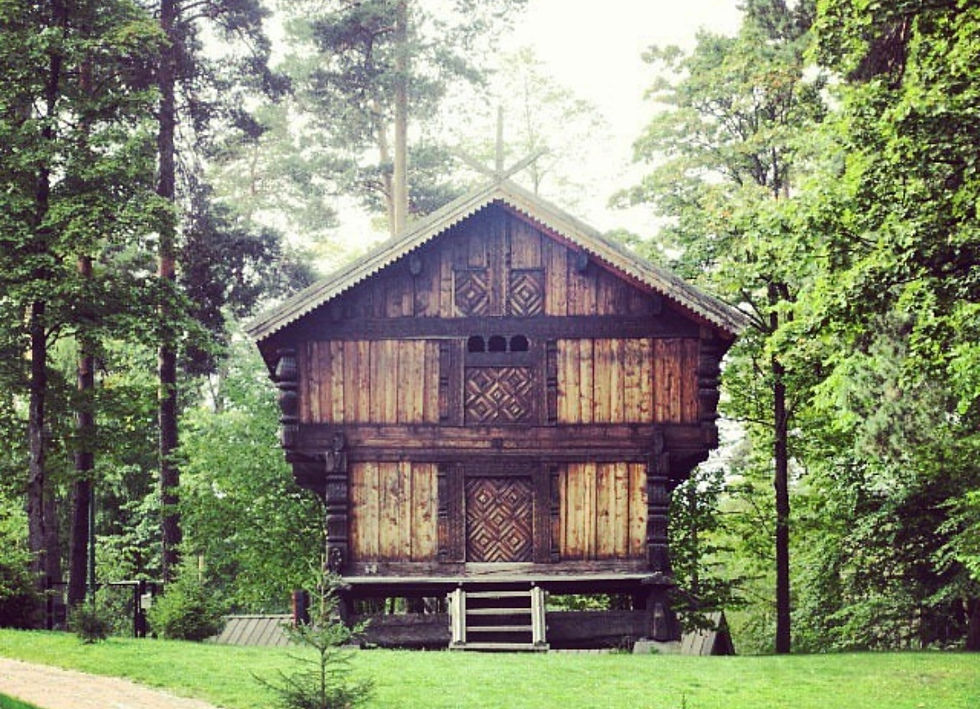
Norwegian Folk Museum
Or Norsk Folkemuseum, also located in Bygdøy, is a museum of cultural history with extensive collections of artefacts from all regions of the country. It is a large open-air museum with more than 150 buildings, relocated from towns and rural districts, which will show you how people lived in Norway since the 16th century. It is also a great way to entertain kids, as they often have activities for them to participate in and animals.
National Gallery
Holding the Norwegian State's public collection of art, architecture and design objects, with over 400,000 works, this museum counts with three different floors.
Exploring the Oslofjord
If you have time, you can do a short boat trip to one of the nearby fjord islands, which offers a unique perspective of the city from the water. There are different ferries from the City Hall/Aker Brygge Pier and you can buy tickets on the spot.
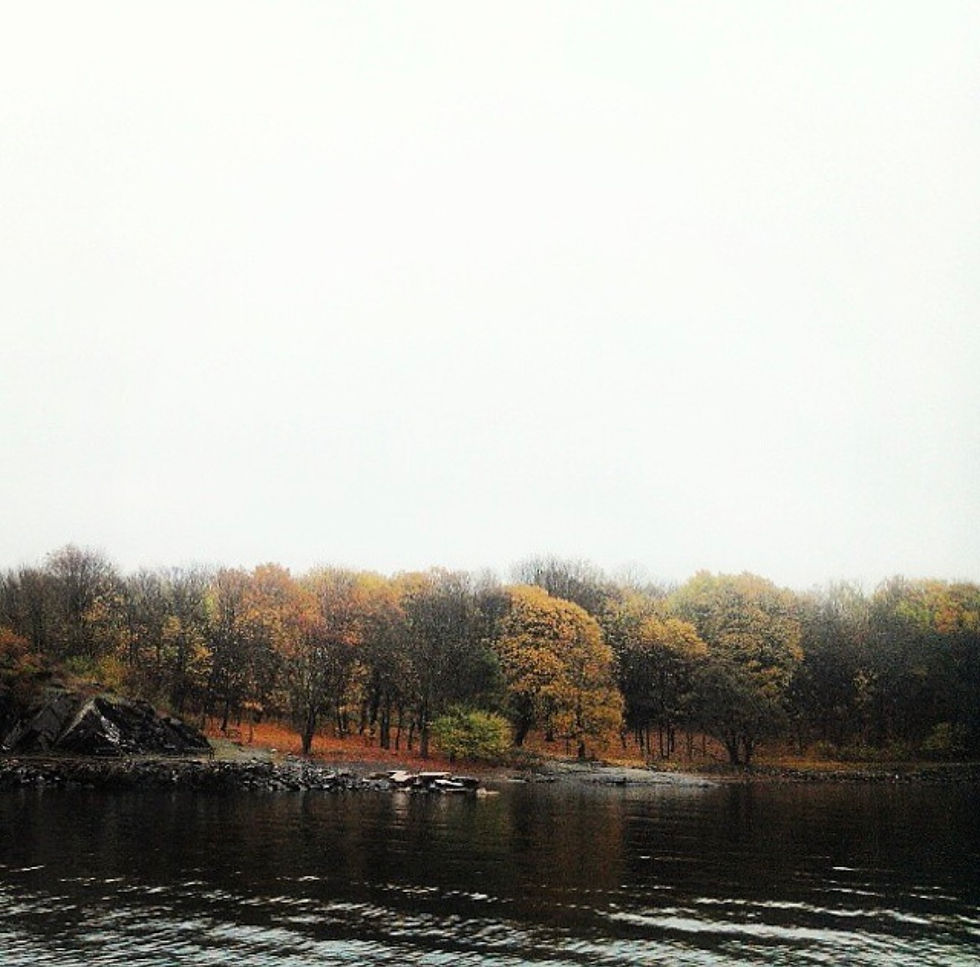
Filled with small summer cottages with their own Norwegian flags dotting the islands, Lindøya is less than 20mins away by ferry from the city center. There you can wander around, spotting the red, yellow and green houses.
If you prefer a less crowded island, then the smaller Hovedøya might be perfect. There are ruins of an old monastery, two small beaches and not much more, so you can easily spend a couple of hours there just for the experience.
Culinary Delights
Traditional Norwegian Cuisine No trip to Oslo would be complete without savouring traditional Norwegian cuisine. You will be able to try reindeer or moose meat, as well as cod or dried fish and even whale meat. I am also a huge fan of the Norwegian waffles, which are heart-shaped and very commonly served with jam.
Exploring Mathallen Food Hall For a more modern culinary experience, I visited Mathallen Food Hall, a lively marketplace filled with diverse food stalls offering international cuisines. From artisanal cheeses to gourmet street food, there was something for everyone's palate.
Tips for your trip
Getting Around
Oslo is a compact and rather flat city, making it easy to explore on foot. However, the public transportation system is also efficient and user-friendly. The trams, metro and buses are a convenient way to reach various attractions, especially when venturing out to the Holmenkollen Ski Jump or the different parks mentioned above.
Best Time to Visit

The ideal time to visit Oslo is during the summer months (May to September) when the weather is mild and the days are long, allowing you to get a glimpse of the Midnight Sun experience. On May 17th, Norwegians are out to celebrate their Constitution Day, which was signed on May 17th, 1814. This is a public holiday, so most shops are closed and people dress to the occasion, often in their traditional attire.
If you prefer to avoid the crowds, the beautiful Fall foliage in Oslo provides a stunning backdrop for your city trip, making it a picturesque time to visit, or the Christmas lights and market will fill your Winter days.
Language and Currency
Norwegian is the official language, yet most speak English fluently, making communication easy for travellers.
The currency used is the Norwegian krone (NOK) and credit cards are widely accepted.
Takk,
Sara
(I lived in Oslo between August and December 2014 and went back in December 2016 and in April 2023)


Comments